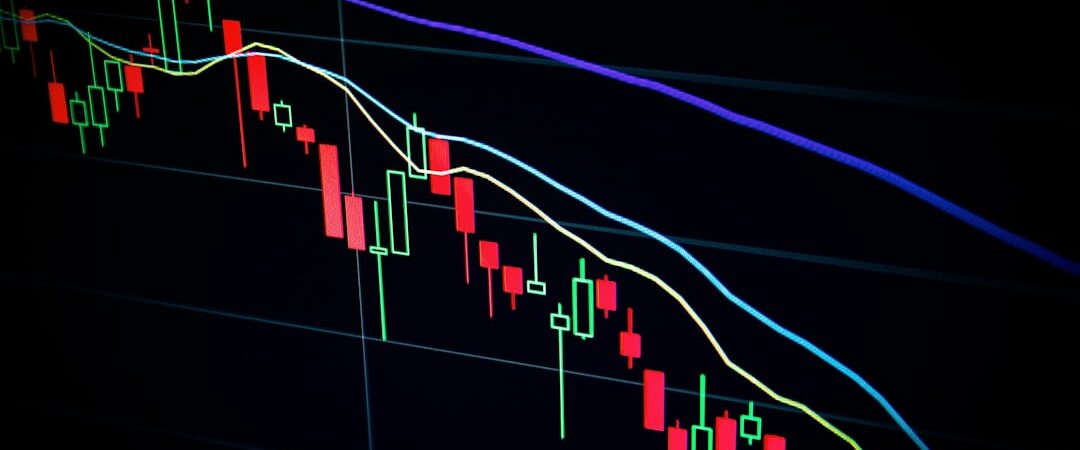
Commodity trading involves the buying and selling of raw materials and primary agricultural products. In 2026, the landscape of commodity trading has evolved significantly, shaped by global events, market dynamics, and technological advancements. Whether it’s precious metals like gold and silver or primary agricultural products like grains, understanding the nuances of this sector is essential for traders.
Current Market Trends
Market Drivers in 2026
The commodity market in 2026 is influenced by several key factors:
- Global Supply Chain Disruptions: Recent geopolitical tensions have led to fluctuations in supply chains, impacting availability and pricing.
- Technological Innovations: The rise of AI and blockchain technology has improved trading efficiencies and transparency.
- Environmental Policies: Stricter regulations on sustainability are pushing companies to seek more responsible sourcing.
Price Volatility
Traders in 2026 are facing heightened price volatility due to uncertain weather patterns, especially in agriculture, and fluctuating energy prices. Staying ahead requires an understanding of these influencing factors to make informed trading decisions.
Strategies for Successful Trading
Diversification is Key
Investing across multiple commodity categories can mitigate risks associated with price volatility. By diversifying your portfolio, you can balance potential losses in one area with gains in another.
Utilizing Advanced Tools
Leverage technology to enhance your trading strategies. Tools such as trading bots and comprehensive analytics platforms can provide real-time data, helping you make quicker, more informed decisions. Explore various resources, like The Future of Commodity Trading in 2026, for insights on advanced trading strategies.
Staying Informed
Keeping abreast of market news and trends is crucial. News platforms, financial analysis reports, and webinars can equip you with the latest insights and market developments. Regularly reviewing your strategies in light of this information will enhance your trading success.
Pros and Cons of Commodity Trading
Advantages
- Liquidity: The commodity markets are considered some of the most liquid globally, allowing for quick trades.
- Diverse Options: With a wide range of commodities available, traders have plenty of investment choices.
- Hedge Against Inflation: Commodities often perform well during inflationary periods, acting as a safeguard.
Disadvantages
- Market Volatility: Prices can fluctuate dramatically based on external factors, leading to potential losses.
- Complexity: The diverse nature of commodities means traders must have a deep understanding to excel.
Future Outlook
As we look towards the future of commodity trading in 2026, one thing is clear: the sector will continue to adjust to the ever-changing global landscape. Traders must remain agile and adaptable. The combination of technological advancements with growing awareness around sustainability is set to reshape the industry significantly.
Final Thoughts
Entering the commodity market in 2026 presents both tremendous opportunities and challenges. By staying informed, adopting diversified strategies, and leveraging technology, traders can enhance their chances of success in this dynamic environment.