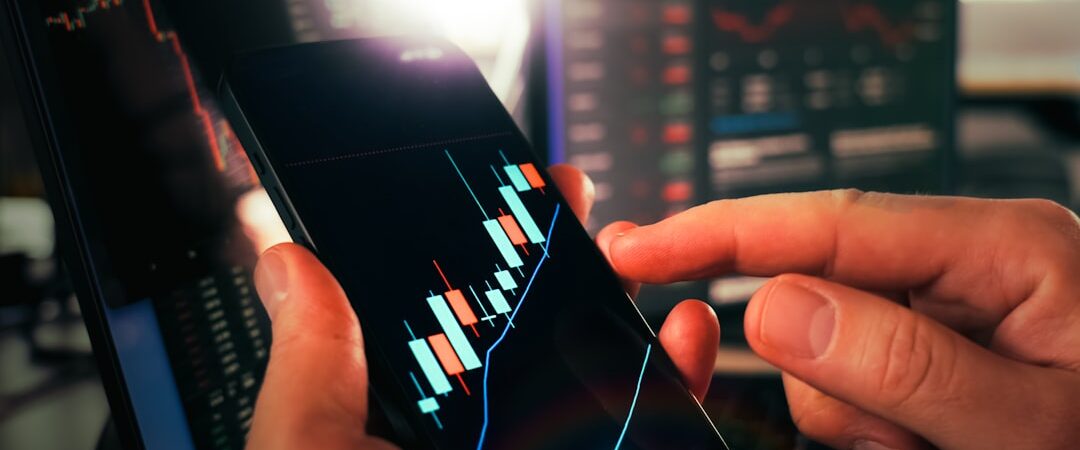
Commodity trading has become a significant component of the global economy, with investors increasingly seeking opportunities to navigate this volatile yet rewarding marketplace. As of 2026, emerging technologies and shifting dynamics in global economics have revolutionized how traders approach commodities.
Current Trends in Commodity Trading
Several key trends are shaping the commodity trading landscape:
- Sustainability: More investors are opting for environmentally friendly commodities, driven by a global push towards sustainability.
- Technological Integration: Artificial intelligence and blockchain are now common in trading platforms, enhancing transparency and efficiency.
- Geopolitical Factors: Events such as trade agreements and conflicts significantly influence commodity prices, requiring traders to stay informed of global affairs.
The Role of Technology in Trading
In 2026, technology plays a crucial role in commodity trading. Innovations have led to:
- Algorithmic Trading: Automated systems analyze vast amounts of data, allowing for quicker decision-making.
- Blockchain Applications: This technology ensures secure transactions, reducing fraud risk.
- Real-time Analytics: Access to real-time market data enhances traders’ ability to react swiftly to changes.
Best Practices for Successful Commodity Trading
To navigate the complexities of commodity trading successfully, consider the following best practices:
- Conduct Thorough Research: Understanding market trends and macroeconomic factors is crucial. Resources like Global Trading Online can provide keen insights.
- Diversify Your Portfolio: Engage in various commodities to mitigate risks.
- Utilize Stop-Loss Orders: Protect your investments by setting stop-loss limits for your trades.
- Stay Informed: Follow news and analysis on commodity markets to make informed decisions.
Analyzing Price Movements
Price movements in commodities are influenced by several factors, including supply and demand dynamics, seasonal variations, and geopolitical tensions. Traders should analyze historical price trends combined with current events to predict future price movements effectively.
Challenges in Commodity Trading Today
Despite its potential for profit, commodity trading in 2026 poses challenges such as:
- Market Volatility: Prices can fluctuate dramatically based on news events or market sentiment.
- Regulatory Changes: New regulations can impact trading practices and profitability.
- Environmental Concerns: As sustainability becomes a priority, traders may face pressure regarding the ethical sourcing of commodities.
Mitigating Risks in Commodity Trading
To protect against the inherent risks of commodity trading, traders can employ strategies such as:
- Establishing risk tolerance levels before entering trades.
- Utilizing financial instruments such as options and futures for hedging against price movements.
- Engaging in continuous education on market trends and trading strategies.
The Future of Commodity Trading
As we progress through 2026, the future of commodity trading looks promising, buoyed by technology and responsive strategies. Traders must remain adaptable to the changing landscape driven by:
- Innovative Trading Platforms: Companies are developing more user-friendly platforms that cater to both novice and experienced traders.
- Increased Global Connectivity: The rise of global trade online, facilitated by technology, is making it easier for traders to access diverse markets.
- Cultural Shifts: A generational shift in values toward environmental consciousness is reshaping demand for certain commodities.
Conclusion
In conclusion, commodity trading in 2026 offers both opportunities and challenges. Staying informed about market developments, leveraging technology, and adhering to best practices can significantly enhance a trader’s success in this dynamic environment. For more insights and resources on trading global, explore Global Trading Online.