Latest posts
-
Understanding Market Volatility: Insights and Strategies for Investors

Market volatility refers to the degree of variation of trading prices over time. It’s a measure of how drastically prices move up or down within a specific time frame. High volatility indicates a large degree of price fluctuation, while low volatility signifies a more stable market environment. Factors Influencing Market Volatility Many elements contribute to…
-
Navigating Market Volatility: Strategies for Investors in Uncertain Times

Market volatility refers to the rate at which the price of a security increases or decreases for a given set of returns. It is often perceived as a risk indicator, showing how much an asset’s price fluctuates within a certain timeframe. High volatility means significant price swings, while low volatility indicates more stable prices. Why…
-
Market Volatility: Navigating through Turbulent Trading Waters

Market volatility refers to the fluctuations in the price of securities over time. These price changes can be influenced by various factors such as economic policies, geopolitical events, and investor sentiment. Understanding these shifts is crucial for traders and investors alike. Why Does Market Volatility Occur? There are several reasons why market volatility occurs, including:…
-
Understanding Market Volatility in 2026
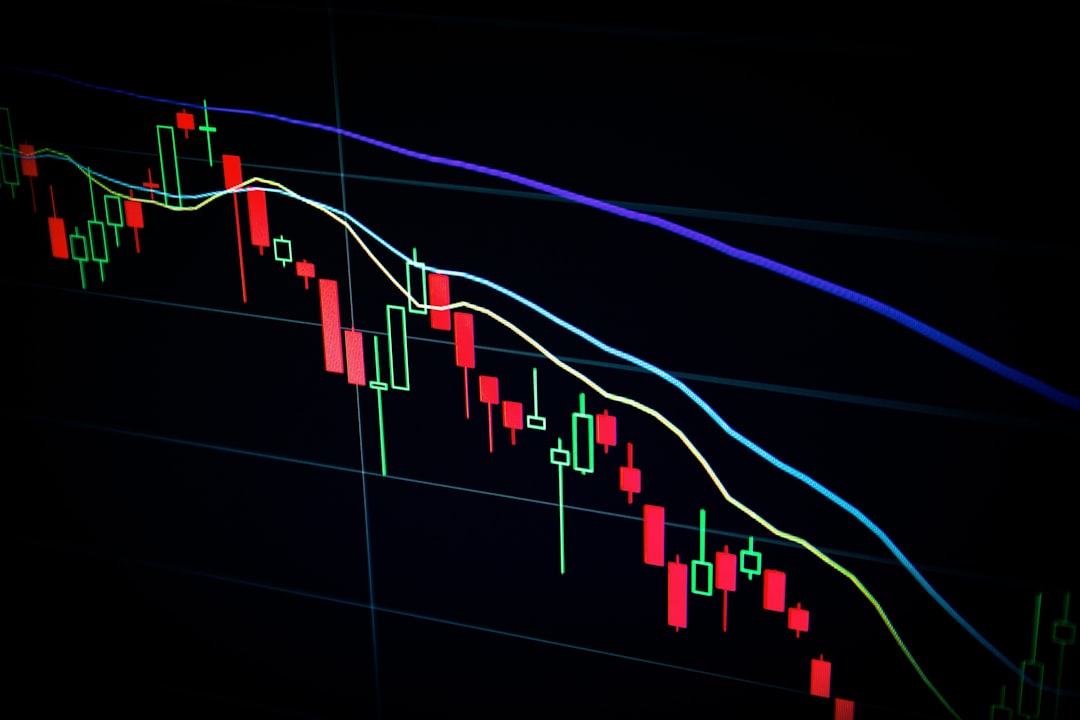
Market volatility refers to the rate at which the price of securities increases or decreases for a given set of returns. In 2026, an understanding of volatility is crucial for traders and investors. As we navigate a rapidly changing economic landscape, recognizing the drivers of volatility can significantly impact trading strategies and investment decisions. Factors…