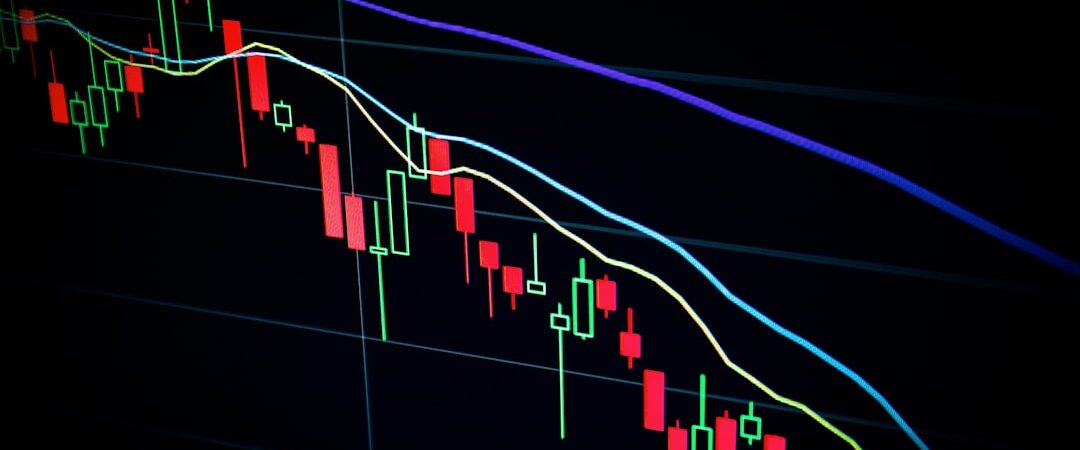
Market volatility refers to the rate at which the price of securities increases or decreases for a given set of returns. In 2026, an understanding of volatility is crucial for traders and investors. As we navigate a rapidly changing economic landscape, recognizing the drivers of volatility can significantly impact trading strategies and investment decisions.
Factors Influencing Market Volatility in 2026
1. Global Economic Indicators
Current global economic indicators play a pivotal role in shaping market volatility. Inflation rates, unemployment statistics, and GDP growth collectively influence investor confidence.
2. Technological Advancements
The rise of algorithmic trading and artificial intelligence (AI) has accelerated market movements, generating increased volatility. These technologies allow for swift reactions to market changes, often resulting in heightened price fluctuations.
3. Geopolitical Events
Geopolitical tensions, such as trade disputes or military conflicts, can lead to sudden shifts in market sentiment. Investors frequently respond to news from global hotspots, causing spikes in volatility.
Strategies to Navigate Market Volatility
1. Diversification
- Investing in a variety of assets can help mitigate risks associated with volatility.
- Consider including different sectors and asset classes in your portfolio.
2. Utilize Stop-Loss Orders
Implementing stop-loss orders is crucial to protect investments. This strategy allows investors to set a price at which they will automatically sell a security, limiting potential losses during turbulent times.
3. Focus on Long-Term Goals
While day-to-day fluctuations can be unsettling, maintain a focus on your long-term investment strategy. This perspective can help alleviate anxiety about short-term volatility.
The Importance of Research and Analysis
Staying informed through thorough market research and analysis is vital in 2026. Tools such as technical analysis and sentiment indicators can provide insights into market behavior. Resources like The Future of Commodity Trading in 2026: Trends, Strategies, and Insights offer valuable information to navigate current market landscapes.
Understanding Market Psychology
Market psychology significantly affects volatility. The emotions of fear and greed can drive prices up or down, independent of fundamental data. Recognizing these psychological elements can aid in making informed trading decisions.
Conclusion: Embracing the Changes
Market volatility is a double-edged sword, presenting both risks and opportunities. Embracing a strategy rooted in diversified investments and continuous education is essential. For additional insights, refer to Commodity Trading: Navigating the Market Landscape in 2026, which outlines navigating this ever-changing environment.
Key Takeaways
- Diversification is crucial to manage volatility risks.
- Use stop-loss orders to safeguard investments.
- Stay informed about economic and geopolitical events.
- Adopt a long-term perspective to withstand market fluctuations.