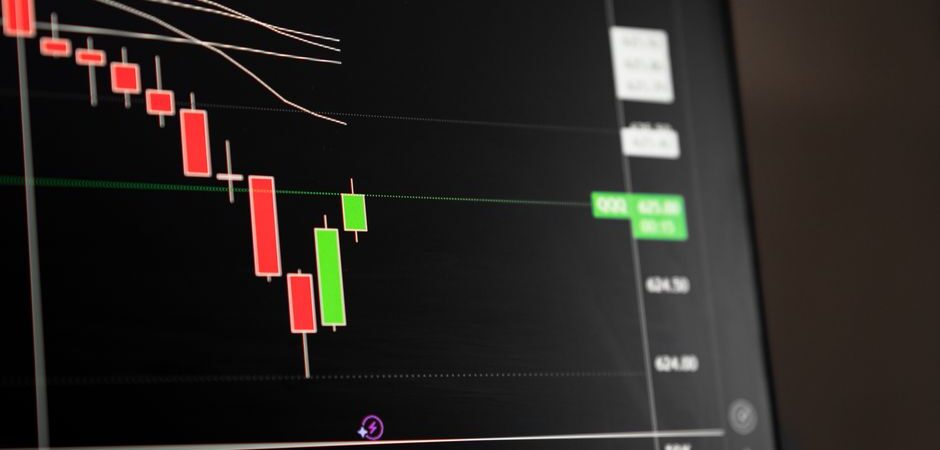
Options trading is a popular form of investment that allows traders to speculate on the future price movements of assets without owning them. Unlike traditional stock trading, options provide unique strategies that can enhance potential returns. However, they come with their own set of risks and complexities.
The Essentials of Options Trading
To start with options trading, you need to grasp a few basics: the types of options available, their mechanics, and the terminology involved. Options are essentially contracts that give the holder the right, but not the obligation, to buy or sell an underlying asset at a specified price within a predetermined timeframe.
Types of Options
- Call Options: Grants the holder the right to buy an asset.
- Put Options: Grants the holder the right to sell an asset.
Important Terminology
- Strike Price: The price at which the asset can be bought or sold.
- Expiration Date: The last date the option can be exercised.
- Premium: The price paid for the option contract.
Benefits of Trading Options
Options trading can offer several advantages over traditional stock trading:
- Leverage: Options allow traders to control a large amount of stock with a relatively small investment.
- Flexibility: Various strategies can be employed, including hedging and speculation.
- Limited Risk: The maximum loss is limited to the premium paid for options, unlike stocks where losses can accumulate significantly.
Strategies for Successful Options Trading
Success in options trading requires a keen understanding of the market and various strategies. Here are a few popular strategies that traders often utilize:
1. Covered Call
This strategy involves holding a long position in an asset and selling call options on that same asset. It is effective for generating additional income on stable stocks.
2. Protective Put
This strategy combines owning the stock with buying a put option. It is beneficial for investors looking to hedge against a decline in the underlying stock’s price.
3. Straddle
This strategy involves purchasing both a call and a put option for the same asset with the same strike price and expiration date. It is ideal for trading when expecting significant volatility.
Risks Associated with Options Trading
While options trading can be lucrative, it is crucial to understand the inherent risks:
- Market Risk: The risk that the asset’s price will move unfavorably.
- Liquidity Risk: Some options may be hard to sell quickly without impacting the price.
- Complexity: The strategies can become quite complex and may not be suitable for all investors.
Navigating Options in the Broader Market Context
Options trading doesn’t occur in a vacuum. Understanding trends in commodity trading and top brokers is critical for the strategic success of your trades. Both market elements can impact your options trades, enhancing or mitigating risks.
Conclusion
Options trading offers exciting opportunities for traders willing to learn and adapt. By understanding the mechanics, strategies, and risks, you can enhance your trading approach and potentially boost your financial returns. Whether you are just starting or looking to refine your trading strategies, becoming well-versed in options can be a game-changer in your investment portfolio.