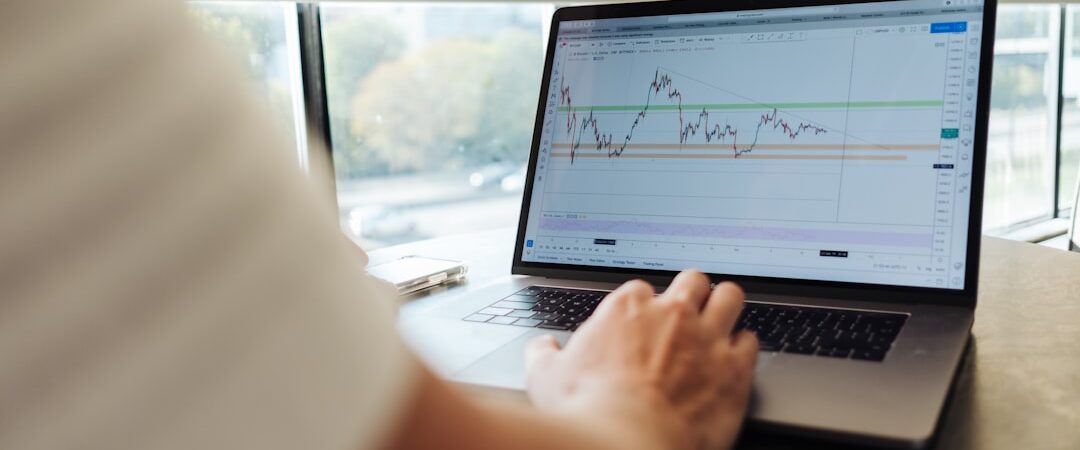
In the fast-paced world of trading, maintaining a trading journal is more essential than ever. As market dynamics continue evolving, especially in the digital age, traders require a methodical approach to track their performance, insights, and strategies. A trading journal is not just a record; it’s a vital tool for skill enhancement and strategy refinement.
What is a Trading Journal?
A trading journal is a disciplined log where traders document their trading decisions, outcomes, and emotions throughout the trading process. This practice helps individuals identify patterns, mistakes, and successes over time, allowing them to enhance their overall trading strategy.
Benefits of Keeping a Trading Journal
When leveraged correctly, a trading journal can provide a myriad of benefits:
- Performance Tracking: Keeping a record helps assess individual performance metrics.
- Strategy Improvement: Analyze what works and what doesn’t over time.
- Emotional Awareness: Recognizing emotional triggers behind decisions can prevent impulsive trading.
- Accountability: Staying committed to your trading plan enhances discipline.
Understanding Performance Metrics
It’s crucial to define key metrics that matter to your trading goals. Metrics like win rate, average profit and loss, and risk-reward ratio should be tracked in your journal. Collecting these data points not only provides clarity but also aligns your strategies with performance realities.
How to Create an Effective Trading Journal
Creating an effective trading journal doesn’t have to be complicated. Below is a step-by-step guide to start your journey:
- Choose Your Format: Decide whether you prefer a digital or physical journal. Digital options can offer automation and data analysis tools.
- Document Details: Always note trade details such as entry and exit points, trade size, and strategy employed.
- Record Emotions: Include notes regarding your emotional state pre- and post-trade.
- Regular Review: Set aside time weekly or monthly to review your entries; this can unveil patterns in your decision-making.
- Incorporate Learning: Adjust your strategies based on the reflections and analyses documented.
Best Practices for Trading Journals
To maximize the value of your trading journal, consider these best practices:
- Be Consistent: Regularly update your journal.
- Be Honest: Provide truthful accounts of your performance and emotional state.
- Use Visuals: Incorporate graphs and charts to easily visualize your performance insights.
Technological Advancements in Trading Journals
The advent of technology has reshaped how traders maintain and analyze their journals. Several modern tools and applications provide features such as predictive analytics and automated trade logging, significantly improving efficiency. Utilizing platforms that integrate your transactions can help streamline the journaling process, resulting in comprehensive analyses.
Popular Journal Tools in 2026
In 2026, many tools enhance trading journal effectiveness. Here’s a list of popular options:
- TradeJournal: Focuses on in-depth analytics and pattern recognition.
- TraderSync: Offers a cloud-based solution for seamless updates.
- Edgewonk: Integrates trading strategies with comprehensive metrics tracking.
Learning from Trading Journals
Effective journaling leads to learning and growth. Traders that consistently review their journals recognize repeating mistakes and devise strategies to combat them. In addition, understanding your performance and emotional responses can profoundly impact future trading strategies.
Connecting Journals with Market Trends
In 2026, traders must also stay updated on market shifts. Insights from the current trading landscape can be combined with your journal for optimal benefits. For example, developments in the commodity market are essential for traders. You can explore the future of commodity trading in 2026: trends, strategies, and insights to understand how market trends can shape your trading strategies.
Conclusion
In conclusion, maintaining a trading journal is a foundational practice for success in trading throughout 2026. It not only serves as a record but as a roadmap for improvement and strategy development. By systematically tracking your trades, reflecting on performance, and leveraging modern technological advancements, you can enhance your trading journey and potentially align with thriving market trends.